Showing posts with label Health. Show all posts

Monday, March 15, 2010

Leaving Processed Foods Behind

A pair of In-N-Out cheeseburgers.Image via Wikipedia

Have you ever seen what a person's blood plasma looks like after they've eaten a fast food meal? It’s not a pretty picture. It looks thick and cloudy. Fast foods are loaded with fat and sodium. They use white bread and rolls, which means they’ve used white processed flour, with very few nutrients in them.

And how do you feel after a Big Mac and french fries? You need a nap, don’t you? All that fat drags you down and make you feel sluggish.

Changing your way of eating can be a hard thing to do, but think about some of the things you do when when you switch to a healthier diet. You eliminate those high fat, processed, high-sodium foods. You may eat less, true. But eating more raw fruits and vegetables and drinking plenty of water will result in more energy and less need for sleep. Processed foods, with their high fat content are hard to digest. They take an enormous amount of the body’s energy to consume. When your body’s energy isn’t used up digesting all that fat, it’s available for YOU – for work, play, love, exercise – in other words, for LIFE.

These aren’t drastic concepts. You don’t have to make drastic changes in your lifestyle. But take a good look at what you consume without even thinking about it. We reach for the potato chips, or stop at McDonald’s or Taco Bell when we’re hungry and we want something in a hurry.

It’s so easy to have snacks on hand so you don’t have to stop at a fast food place when you’re hungry. If you’re on the road a lot, and get hungry, pick up a bag of vegetables or apple slices at a grocery store. Yes, it’s easier to drive up to Wendy’s, but taking a few extra minutes, not to mention a few extra steps, will be well worth it in energy and vitality.


Reblog this post [with Zemanta]

Monday, February 22, 2010

Detoxifying your Body - A Neccessary Step

The gastrointestinal tract, also called the di...Image via Wikipedia

The process of detoxifying our bodies results in the purging of harmful environmental and chemical poisons. The buildup of these toxins can overwhelm the body’s capacity to detoxify and may lead to such problems as hormonal imbalances, nutritional deficiencies, inefficient metabolism, and digestive and respiratory disorders. Switching to a raw food diet will help to clean and detoxify your body, which many find can result in improved energy levels, mental capacity, skin tone and clarity, digestion, metabolism, and breathing while decreasing joint pain, body aches and headaches, constipation, anxiety, irritability, and aiding in weight loss.

Though the end results of detoxification are very beneficial, the actual process of detoxifying can be difficult. Headaches, nausea, and diarrhea can result as toxins exit your body. It’s important to keep in mind that, even though you’re doing a good thing for your body by detoxifying it, you may even develop a cold or flu-like symptoms as your body works to purge the germs and poisons from the cells. Skin breakouts, anxiety, irritability and lethargy can also occur.

The healthier a person is when beginning the detoxification program, the less severe these symptoms will be. If the body has a great deal to purge, the process will be harder on the body. If the process is a huge change from the previous lifestyle, these side effects might be more pronounced.

Don’t interrupt the detoxification process by taking any type of drug to relieve these symptoms. They are a natural side effect of the process. Try instead to get some rest and focus on the end result. Try treating yourself extra special during this time. Sit down and enjoy a good book, meditate, or even write in your journal about your detoxification experiences. Remember that what you're going through is a natural occurrence, and concentrate on how wonderful and healthy you'll feel when the process is complete.

Reblog this post [with Zemanta]

Friday, February 19, 2010

Tips On Switching to Raw Food

Organic vegetables at a farmers' market in Arg...Image via Wikipedia

Understanding that it's difficult for many people to transform their diet completely, you do not have to go 100% raw. If you can incorporate natural alternatives to the foods you were eating (such as organic raw peanut butter and not regular peter pan), purchase all organic foods, incorporate plenty of fresh fruits and veggies and only drink water, you'll be making a dramatic change to your life and health, even if you aren't eating an all raw diet.

Changing over to 100% raw foods right away can be hard for some people due to their personal preferences, and also when it's necessary to compromise with other family members. And remember, when you change to a raw diet, your body will begin to detox within a few days. Making a slower, more gradual change can be a wise decision, so you don't through detox so hard at the beginning.

One method is to use six days on, one day off, which seems to work well by letting your body become used to the the choices you're offering. With time, the body starts to crave the healthier foods when given a choice. Contrasts between food types and their tastes will be noted, and you'll begin wanting more of the raw food choices as you feel the difference in how you feel.

Another option is too eat all raw food during the day, and then have some cooked foods in the evenings. This is a good way for people who still want to eat some meat products - a very small portion of lean turkey or fish in the evening can help prevent cravings at other times.

Keep in mind that you do not have to incorporate a full 100% raw food diet forever! As long as you maintain at least 75% of your diet raw, you'll see huge improvements in your health and well-being. Just eating more fruits and veggies alone will change your health drastically.

Reblog this post [with Zemanta]

Thursday, February 11, 2010

Making the Switch to Raw Foods

Roadside farmers' market in Bridgehampton, New...Image via Wikipedia

So, now that you know what a raw food diet is all about, you need to decide if it's right for you.

Well, you don't have to make a switch to 100% raw foods right off the bat. You can start by simply eating more fruits and vegetables and no processed foods. Try drinking fruit juices or smoothies for breakfast, and then eating a healthy veggie sandwich with fruit juice for lunch. For dinner, eat some blanched vegetables with brown rice and no meats.

As you gradually detoxify your body, you will see dramatic results. First, however, you'll go through the detoxify process, where you will feel tired, have headaches, skin eruptions, etc. Once you are over this tough time, you will feel light, not dragged down, energetic, vitality, and conscious, among other things. You will have more mental clarity and therefore be more productive. Your body will feel cleansed, you will be able to treat disease and prevent new ones from forming. You may start to see dramatic weight loss. You will also find that over time you won't be as affected with colds and other sicknesses because your immune system will become much stronger.

Apart from that, you'll find that you will be saving money because you can either grow your vegetables or buy them at a farmers market. Buying organic food will save the earth and provide agricultural support, which is much needed. You will also save time and money because you will not be in the kitchen cooking up a storm. You will not be eating animals, because these animals have been pumped with high hormones and other drugs that lead to health problems with humans.


Reblog this post [with Zemanta]

Tuesday, February 9, 2010

Is the Raw Food Diet just another Fad?

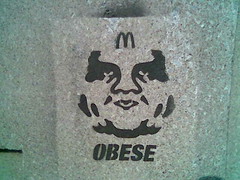
ObeseImage by orbz via Flickr

I've had some people write me saying that by encouraging raw food diet meal plans, I'm just pushing another 'fad diet'. I completely disagree. Eating raw fruits and vegetables isn’t the "new South Beach Diet" - it's not a fad diet at all. Believe it or not, humans have been eating this way since LONG before we were eating processed junky foods. We didn’t have access to most many foods, and we were scavengers, picking fruits and eating vegetables. Nuts were also eaten for protein. It was either that or starve. Humans ate these fruits as is, no additives, no cooking. One and a half million years ago we learned how to cook. So for a half million years we ate the food raw, as it was intended.

Today, things are different. We have access to every type of food we might want, right at our fingertips. We can order Oolong tea (which must be handpicked on cliffs in china) from the internet. You would think that since we have come this far, we would be super human, so healthy we would be living 500 years. Unfortunately, it hasn't worked out that way. In fact, in some ways we actually have worse health now. Some of us are developing cancers at an early age. Some of us are dying of heart disease or obesity. We are not eating correctly. We are stuffing our faces with hydrogenated oils, fake products, high sodium and sugary foods, and gaining weight at an alarming rate. It shows in bad skin, rolls of fat, and sluggish attitude.

What people need to realize is that eating fat free or sugar free foods isn’t going to help. It really isn't any better for you to stuff yourself with SnackWells instead of Oreo’s. What will help is to completely change what you eat. Remember, you are what you eat, so eat the right things and it will show in your body, mind and spirit.

Reblog this post [with Zemanta]

Wednesday, February 3, 2010

Raw Food And Healthy Skin

Fruit on display at La Boqueria market in Barc...Image via Wikipedia

Did you know that your skin is actually the largest organ in your body? Its job is to provide a protective covering for all the other organs of the body. It changes to regulate your internal body temperature, and is an excellent indicator of your overall health and well-being.

There are people who spend thousands of dollars on lotions, creams and other skin preparations in an effort to make their skin look young, vibrant and glowing. But if we took just a fraction of the money we spend on all these topical preparations and used it to buy raw foods for our diet instead, we’d begin to see an immediate change in the texture of our skin.

When you eat raw foods, you put more of the essential vitamins and amino acids your body needs into it. You’re also adding moisture – naturally. Raw foods have a much higher water content than cooked foods, simply because the heat cooks out so much of the moisture.

Also, if you're eating a lot of cooked and processed foods, you're putting toxins into your body. When you switch to a raw food diet, you'll find that your hair and skin will clear up quickly as your body detoxifies.

Your skin is a mirror of what’s going on in the rest of your body. And when your organs and blood are fed the nutrition they need to function properly, that shows in your skin. Get your vitamins and moisture from foods like apples and carrots. When you do, then phrases like “inner beauty” and “inner glow” will be applied to YOU. Your skin is what’s presented to the rest of the world and healthy, glowing skin makes the best first impression. When your body and skin are getting their essential nutrition with raw, uncooked foods, you’ll look and feel your best, NATURALLY
Reblog this post [with Zemanta]

Tuesday, January 19, 2010

How To Start a Raw Food Diet


Getting started on a raw food diet is not all that difficult but does require some attention to your body and to the foods you will be buying and preparing. For some people there really isn’t much preparation involved, while for others there is more. Preparation will basically be a matter of taste and choice.

There are some things you should know about before you switch to a raw food diet. First and foremost, you should talk to your doctor or nutritional advisor for guidance. Switching to a raw food diet will cause your body will go through changes initially and some of those changes could impact your overall health.

A raw diet consists of 75% or more raw foods. But to switch over from a cooked diet to an uncooked diet from one day to the next can actually shock your body, especially your digestive system. For years you have consumed cooked foods and your body has become accustomed to processing those types of foods. As a general rule of thumb for beginners, you should start out gradually, maybe eating only one raw meal a day, and then slowly work your way toward eating raw at each meal.

One very important thing to note is that a raw food diet has a detoxifying effect on the body. Eating raw foods will actually cleanse the body of toxins and your digestion will improve. However, there are some possible side effects as your body adapts to this new raw food diet. You could experience headaches and nausea, as well as a mild depression.  Have no fear as these are only symptoms of your body making adjustments. If these symptoms persist over a long period of time you should decrease the amount of raw food you are consuming and talk to your doctor or nutritionist.

An important part of raw food dieting is to plan your meals. This especially important in the beginning because your body will be craving certain foods as you change your dieting habits. Sugar and salts are a good example of such cravings because our body doesn’t make these on its own but needs them. Many raw fruits and vegetables have natural salts and sugars in them. The point is to monitor your bodily changes and adjust your dieting plan according to your body’s needs.

If you find it difficult to accommodate your body’s needs with the raw foods in your diet plan you might want to consider adding dietary supplements to your diet. Aloe vera gel is a good example of a dietary supplement. However, there are many more supplements available at your local health food store. It is important for you, as you create your raw diet plan, to research raw dieting options. The purpose behind a raw diet is to improve your health, not make it worse.     

Another important point about raw food diets is not to mix it with a cooked diet. This doesn’t mean you can’t eat cooked foods while on this diet. But it does mean that, during a meal, you don’t want to mix them. The reason for this is that cooked foods, when mixed with a raw diet, will neutralize many of enzymes and nutrients in the raw food, basically defeating the whole purpose of being on a raw diet. Also, mixing these two types of diets can actually make your digestive system work harder, again defeating the purpose of the raw food diet.

As you get further along in your raw food diet don’t be afraid to try eating your raw foods in different ways. Some people on raw food diets prefer eating their foods in their natural state and don’t cut or blend. On the other hand, there are some who slice, dice, chop, and even blend their raw foods. It’s all pretty much a matter of personal preference, as neither way diminishes they nutritional value of the food.  There are many raw food diet books with information and recipes to help you make the switch.  Visit RawFood4Life.info for more information.


Reblog this post [with Zemanta]

Raw Food Vs. Cooked Food - What Happens When We Heat Food


Did you know that human beings are the only creatures on Earth that heat up their food before eating it? Think about it: do you know of any animals that cook anything that they eat in any way, shape or form?  Humans, like other species on Earth, are biologically adapted to eating raw foods. The human body is built to be able to break down raw foods into the most basic nutrients, vitamins, minerals and proteins that are needed to survive, using them as effective body fuel for everyday living. Heat breaks down the chemical and nutritional makeup of food, eliminating important nutrients that our bodies crave and need. Add to that harmful toxins and pesticides, preservatives and artificial additives, and it becomes so much more evident why we humans aren't as healthy as we should be. In essence, we are killing our bodies by feeding them inappropriately.

By contrast, eating a diet rich in fruits and vegetables has many countless benefits. It is widely known that a diet that focuses on raw foods is great for the skin, for example. Fruits and vegetables are high in vitamins that help your complexion stay soft, supple, and healthy, and, not surprisingly, they are a wonderful source of hydration and energy. In addition, grains, legumes and other raw produce are high in fiber and protein, helping with digestion and functioning of vital organs.

One of the most exciting and significant benefits found in eating uncooked foods is how it encourages the body to break down foods properly and efficiently, significantly decreasing and in some cases eliminating harmful toxins that are secreted out of our bodies. As a result, out bodies are able to maintain much healthier chemical levels. The human body then becomes a well-oiled machine, breaking down harmful chemicals, boosting the immune system and eliminating harmful excesses from the body.

It is no coincidence that conditions such as Type 2 Diabetes, high cholesterol and hypertension have all been linked to dietary habits, which is exactly why it should also come as no surprise that studies show a significant decrease in these illnesses among people who practice raw food and vegan lifestyles. But did you know that scientific studies now show that people who are on raw food and extreme vegan diets are at a lower risk for developing many types of cancers, including breast and colon cancers? Or that they are also at a lower risk of developing heart disease? In addition, those who practice raw food diets are less prone to mental conditions like depression and anxiety, all the while maintaining sharp reflexes and great memory.

These are just some of the ways that the human body is predisposed to the Raw Food lifestyle, and why in the long run it may be beneficial to you to buy raw foods and change your eating habits to a more natural, organic, and ultimately healthier way of living. Visit RawFood4Life.info to find out how you can join the ranks of those who are switching over to the raw food diet and ditching unhealthy eating practices. You will be helping both your body and your mind become the best that they can be.


Reblog this post [with Zemanta]

Why Should I Eat Raw Food?


Now don’t go getting all squeamish on me. We’re not talking about eating raw meat here. The raw food diet is a largely vegan diet. There is also some room for maneuver in the raw food diet too as the people who support it say that to get the maximum health benefits from the raw food diet you only have to make sure that approximately 75-80% of what you eat needs to be raw.

People who support the raw food diet as a healthy lifestyle argue that foods in their natural state contain the optimum balance of enzymes, vitamins and minerals that we need. They argue that the enzymes contained in raw food - which are killed off by cooking -  help people to digest their food more fully and so derive more nutritional value from it. That places less stress on the body to produce its own digestive enzymes.

Raw food supporters also believe that the cooking we normally do to our food destroys their natural vitamins and minerals and that food takes longer to digest in this cooked, unnatural state. The cooked food therefore hangs around longer in the gut while the body attempts to digest it. The proteins, carbohydrates and fats which have not been fully digested also become waste products. These waste products slow down the food’s transit through the gut, causing constipation, bloating, stomach cancer etc, while the fats tend to clog up the arteries. A raw food diet, which is higher in fiber too, pushes the food more quickly through the gut and there are fewer waste by-products which are left around to cause problems to the body.

Basically, a raw food diet makes your whole digestion process a lot more efficient. It delivers more of the essential vitamins and nutrients which our bodies need and leaves behind fewer waste products which can become harmful to our bodies.

The health benefits of the raw food diet include an increase in energy as your body is maximizing the amount of nutrients it actually gets where it needs it; plus the body has to work less hard in order to process the raw food.

You should find that your skin looks more clear on the raw food diet. That is because your body is taking in fewer toxins which would cause skin eruptions. The raw food diet is a good detox!
Your digestive system will work more efficiently on the raw food diet. Food will pass through the gut more quickly and waste will be expelled regularly. That is great for avoiding health problems like IBS and stomach cancer.

You may also find that you lose weight and manage your weight more effectively on the raw food diet. It is lower in fat that most people’s eating habits. There is less fat hung around in the body to clog up arteries and pile on the pounds. That in turn reduces your risk of contracting heart disease.

All in all, then, you can see that if you eat at least 75% raw food diet foods it will be much better for your health. Visit RawFood4Life.info to find out how you can lessen your risk of serious diseases and generally look and feel better while by following the raw food diet.

Reblog this post [with Zemanta]

The Raw Food Diet - Not Just for Rabbits!


It’s been said that a raw food diet program is the most influential diet trend to hit the scene in years. For many people, they hear that term: raw, and they figure they know exactly what’s involved in it. However, you’d be surprised as what it really encompasses.

Of course, a raw diet is nothing new. Looking back over the history of humanity, primitive man ate a raw diet prior to the discovery of fire. In modern times, at the beginning of the 20th century, a number of people began to advocate a return to such a diet as being the healthiest way for people to live.

Your mouth is – quite naturally – the means by which food enters your body. A key benefit of raw foods is that you have to chew them well before swallowing. No doubt your parents may have told you to chew your food a certain number of times before swallowing! The reason for this is that the digestive process starts in the mouth. Chewing releases saliva, an enzyme that helps you digest your food better. In the case of starches, it begins the process of breaking it down into its component sugar molecules.

Some people wonder if a raw food diet means you eat raw meat. No, that is not the case. For the most part, a raw diet is a vegetarian diet. In general, your diet will be composed of things like fresh fruit and vegetables (and their juices), nuts, seeds and sprouted seeds, purified water and unpasteurized dairy products. There are other foods included in the diet, but it’s important that they be unprocessed and free of any chemicals or preservatives. Typically, a raw food diet means that about three-quarters of the food you eat is raw. The remaining components of your diet are usually dehydrated fruits and vegetables. You can either buy them that way, or get yourself a dehydrator specially made for food. The one caveat with such a device: be sure that it operates below 116 degrees Fahrenheit; a good dehydrator functions best at this temperature.

Now, once you start eating the raw food diet, you’ll start to see some of the benefits and then you won’t miss those steaks and chops you once ate. A raw food diet will lower your risk of developing heart disease or diabetes, give you more energy, improve the glow to your skin by erasing some of the signs of aging, diminish your digestive troubles, help you to control your weight loss, and even get rid of some of those illnesses and chronic health conditions you may be suffering from. Most processed foods have so many chemicals that we still don’t know the long-term health impact of. By purging your body of these things, you can see a real improvement in your overall health.

Of course, deciding on a raw diet isn’t as simple as starting to eat a vegetarian or vegan diet, and that’s it. No, you should always meet with a doctor or dietician to design a diet just right for you. For one thing, you may have a food allergy that can cause you trouble, for example, if you are lactose or gluten intolerant.  If so, you must avoid dairy and/or some grains. Gluten is present in most grains; so the doctor will tell you to substitute whole grain rice. Then there are certain vitamins and minerals that you need on a daily basis. If you don’t eat certain foods (maybe you don’t like certain vegetables), then you’ll need to take supplements.

Raw food diet meal plans aren't ideal for everyone, but you can find more information at RawFood4Life.info, and talk to your doctor about the benefits of a raw food diet.

Reblog this post [with Zemanta]